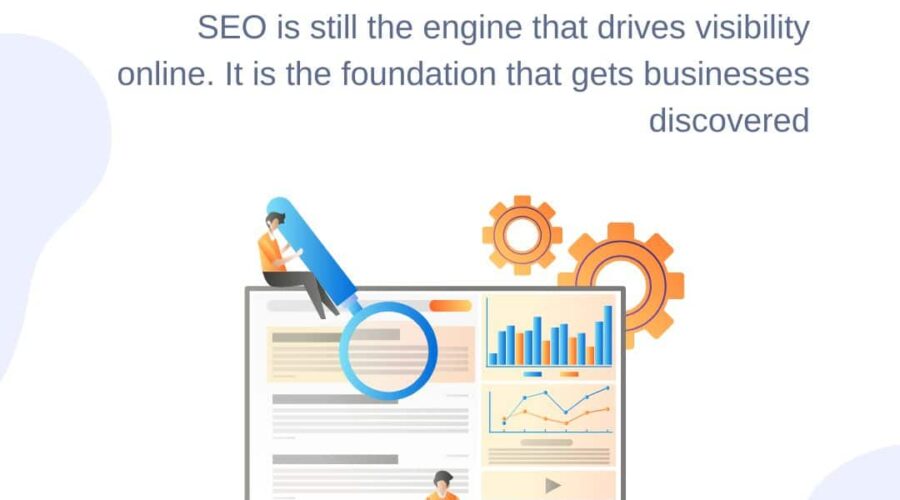

Site structure refers to how a Santa Monica website’s pages are organized and linked. It determines how content is arranged, how users navigate the site, and how search engines understand its hierarchy. A well-structured website enhances user experience, improves search engine rankings or search engine optimization, and supports digital marketing in Santa Monica by making content easily accessible.
Key Elements of Site Structure
- Hierarchy and Organization – A good site structure follows a logical hierarchy, where the homepage serves as the central hub, leading to main categories, subcategories, and individual pages. This helps users and search engines easily find relevant content.
- Navigation and Internal Linking – Clear menus, breadcrumb navigation, and well-placed internal links guide users through the website, ensuring they can quickly locate information. Internal linking also helps search engines understand the relationship between different pages.
- URL Structure – Clean, descriptive URLs that include keywords and follow a logical format contribute to better SEO. For example, a well-structured URL like www.example.com/products/shoes is more user-friendly and more manageable for search engines to interpret than www.example.com/index.php?id=123.
- Sitemaps – XML sitemaps help search engines crawl and index a website efficiently, while HTML sitemaps improve user navigation by providing an overview of all pages.
Why Site Structure is Crucial for Digital Marketing
1. Improves Santa Monica Search Engine Optimization (SEO)
Search engines like Google use site structure to understand website content and its importance. A well-organized site ensures that search engines can efficiently crawl and index pages, increasing visibility in search results. Proper internal linking and logical hierarchy also distribute authority across pages, improving rankings.
2. Enhances User Experience (UX)
A clear and simple structure makes it easy for visitors to navigate a website. Users who struggle to find what they need are more likely to leave, increasing the bounce rate. A well-structured website improves usability, keeps visitors engaged, and encourages them to explore more content.
3. Boosts Conversion Rates
When users can quickly find information, products, or services, they are more likely to take action, such as purchasing, signing up for a newsletter, or contacting a business. A clear structure with prominent calls to action helps guide users toward conversions, directly impacting digital marketing success.
4. Supports Content Marketing
A strong site structure makes organizing and categorizing content more effortless, which benefits blogs, articles, and resource pages. Well-linked content helps establish topic authority, increasing organic traffic and engagement. It also allows search engines to recognize valuable content, improving rankings.
5. Reduces Technical Issues
Poor site structure can lead to broken links, duplicate content, and pages that are difficult for search engines to crawl. These issues can harm SEO and user experience. A well-planned structure ensures a smooth, error-free website that performs well in search rankings.
Conclusion
A well-structured website is incredibly essential for a successful digital marketing strategy in Santa Monica. It improves SEO, enhances user experience, increases conversion rates, and supports content marketing efforts. By organizing pages logically, using straightforward navigation, and optimizing URLs, businesses can create a strong online presence and achieve better marketing results.